
Energy Storage & High-Temperature AGM Separator
AGM separator for clean-energy storage and telecom batteries, including high-temperature service.
Scroll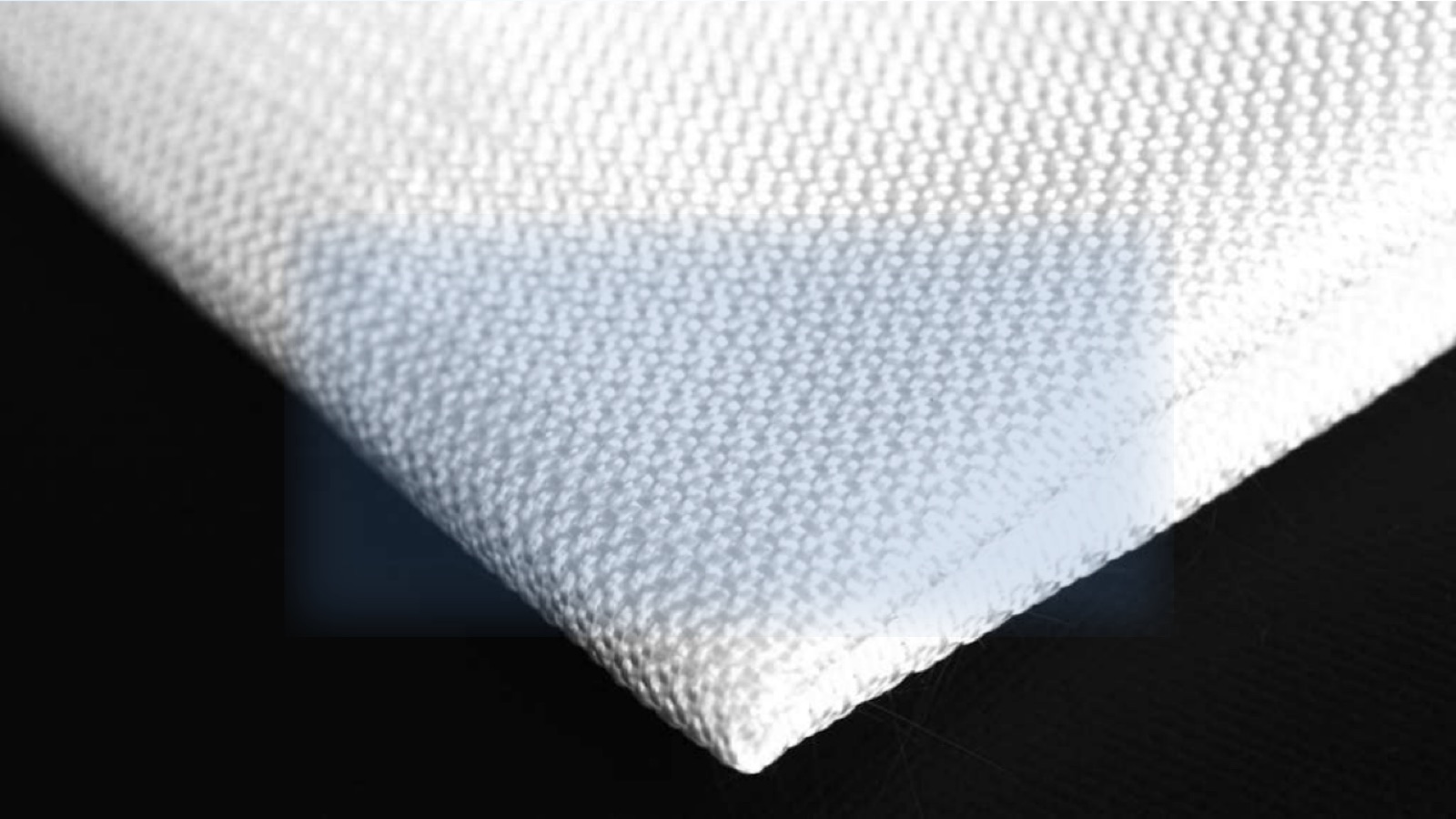
AGM separator
Illustrative 3D rendering; not to scale. Specifications are drawn from the printed catalogue and company technical materials.
01 · THICKNESS
1.0–2.5 mm @10 kPa
02 · FIBER MATRIX
high-temp duty
03 · IN THE CELL
165 g/m²·mm
Specifications and performance data
Catalogue specifications and design targets are shown together. The chart displays approximate compression and recovery values at 10 and 100 kPa only. Contact us to discuss customer-specific tolerances.
Only approximate 10 and 100 kPa endpoint values read from the printed catalogue are shown. Straight connectors are visual guides, not measured intermediate-pressure data.
Third-party SEM, ICP and BET reports are available on request. Products are RoHS & REACH compliant.
Download preliminary TDS (PDF)Key requirements for high-temperature service
High ambient temperature shortens float life. This series is engineered to resist collapse and aging under sustained heat, helping maintain separator structure and plate-group compression across wide temperature swings.
A density of 165 g/m²·mm and thickness of 1.0–2.5 mm at 10 kPa provide electrolyte capacity for extended discharge, while 0.5–2.0 μm fibers help retain puncture and dendrite resistance at elevated temperature.
Sustained heat
High ambient temperature shortens float life. The structure resists collapse and aging under sustained heat, helping maintain plate-group pressure.
Extended discharge periods
A density of 165 g/m²·mm with 1.0–2.5 mm thickness at 10 kPa provides electrolyte capacity for extended discharge.
Temperature swings
Fine 0.5–2.0 μm fibers keep puncture and dendrite resistance even when hot; elastic recovery holds compression across large temperature swings.
Telecom & UPS
For long-term float standby service, at 150 g/m²·mm.
Motive Power
For batteries in frequent deep-cycle service.
Pasting Paper
For continuous grid-pasting lines: glass fiber pasting paper with a BET design target of ≥2.0 m²/g.
Evaluating a second source?
Send us your technical specification to confirm sample specifications and shipping arrangements for Energy Storage & High-Temperature AGM Separator.