
SLI AGM Separator (Starting, Lighting, Ignition)
AGM separator for automotive starting, lighting and ignition batteries.
Scroll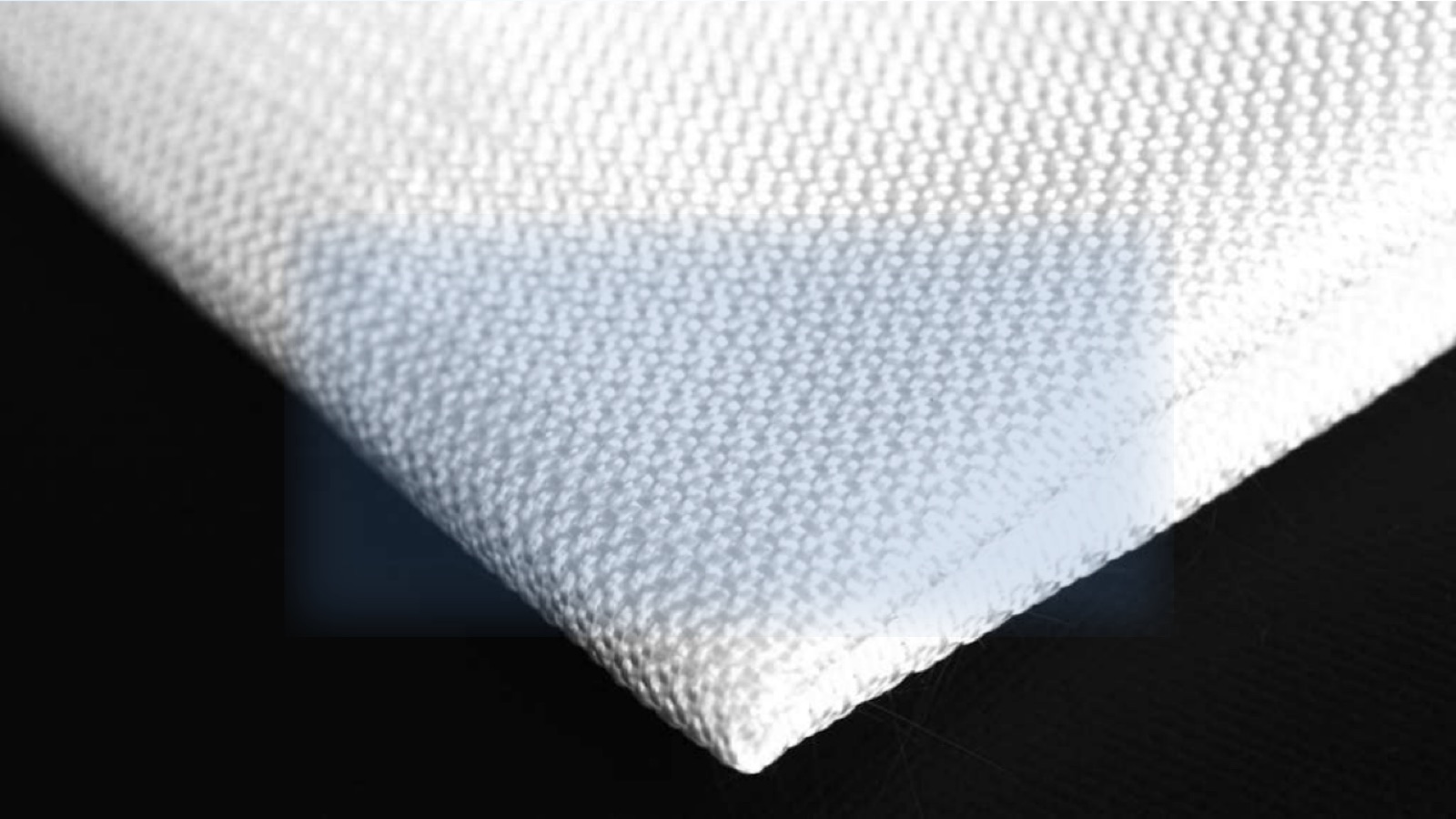
AGM separator
Illustrative 3D rendering; not to scale. Specifications are drawn from the printed catalogue and company technical materials.
01 · THICKNESS
1.0–2.0 mm @10 kPa
02 · FIBER MATRIX
Ø 0.5–2.0 μm
03 · IN THE CELL
155 g/m²·mm
Specifications and performance data
Catalogue specifications and design targets are shown together. The chart displays approximate compression and recovery values at 10 and 100 kPa only. Contact us to discuss customer-specific tolerances.
Only approximate 10 and 100 kPa endpoint values read from the printed catalogue are shown. Straight connectors are visual guides, not measured intermediate-pressure data.
Third-party SEM, ICP and BET reports are available on request. Products are RoHS & REACH compliant.
Download preliminary TDS (PDF)Key requirements for SLI batteries
The SLI series uses a density of 155 g/m²·mm for automotive starting, lighting and ignition applications, with reliable cold-cranking performance and consistent handling on automated battery assembly lines.
Fine 0.5–2.0 μm glass microfibers provide high porosity and strong wicking, helping retain electrolyte, limit stratification and resist puncture from plate edges and lead particles.
Cold cranking
Engine starting requires an immediate high-rate discharge. Stable high-rate performance helps maintain cranking voltage across temperature conditions.
Long periods at high state of charge
SLI batteries spend much of their service life near full charge. High porosity and strong wicking help keep electrolyte distribution stable over time.
Automated assembly
Automated enveloping and plate-group assembly require robust sheets. High puncture resistance helps protect against short circuits caused by plate edges and lead particles at production speed.
Automotive Start-Stop
Dual fiber-diameter construction for start-stop duty, with puncture resistance increased by over 100%.
Motorcycle
For compact cranking batteries: 150 g/m²·mm with reliable high-current discharge.
Pasting Paper
For continuous grid-pasting lines: glass fiber pasting paper with a BET design target of ≥2.0 m²/g.
Evaluating a second source?
Send us your technical specification to confirm sample specifications and shipping arrangements for SLI AGM Separator (Starting, Lighting, Ignition).